Is Marsilen Disposable Vape Worth Trying for Daily Vaping?
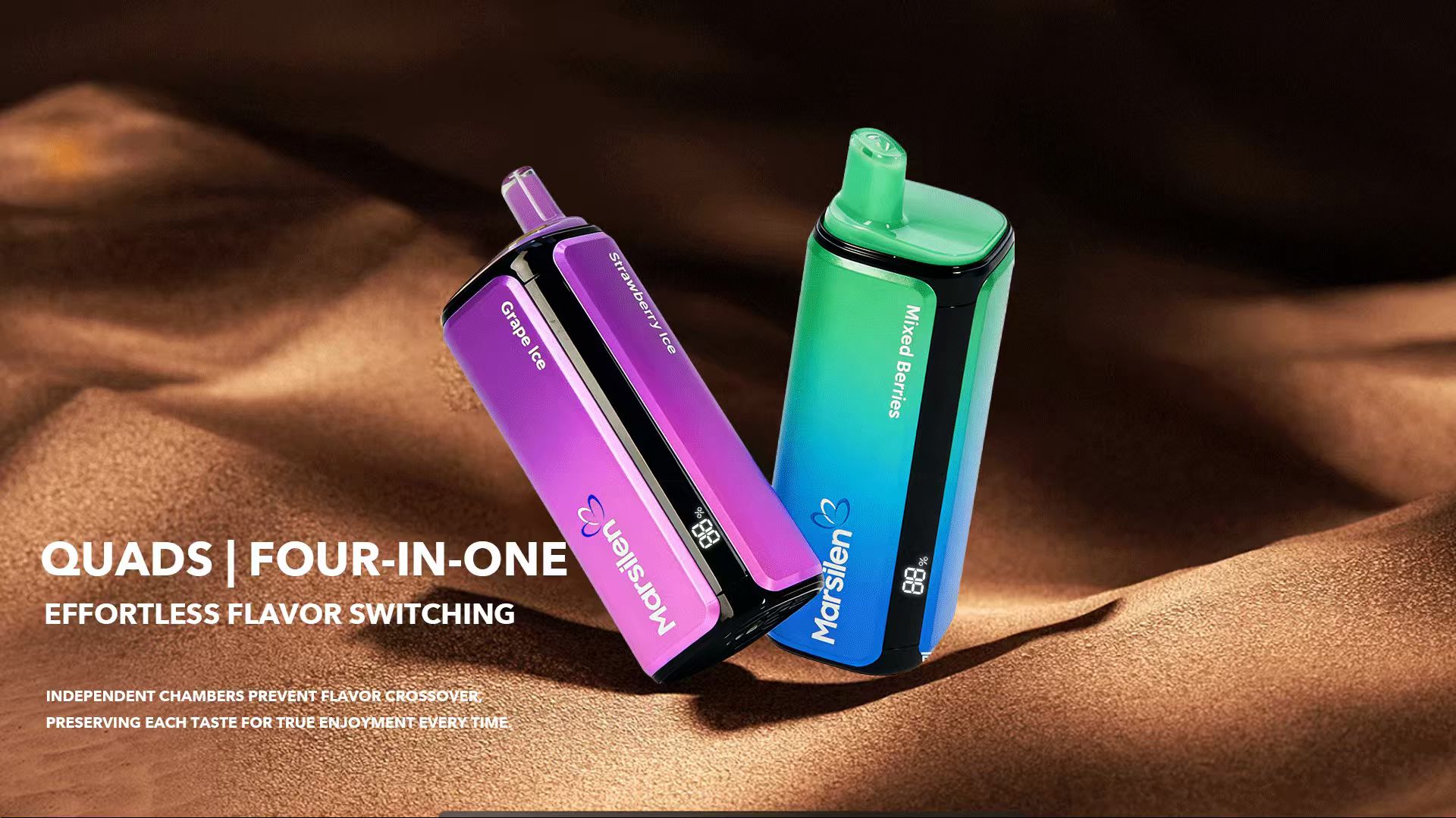
Marsilen disposable vapes deliver 15000 puffs powered by a 650mAh battery, utilizing 5% nicotine salt formulations designed for a 14-day average user lifecycle.
When evaluating the market for portable nicotine delivery systems in 2026, adult consumers frequently analyze the operational longevity of hardware components before making a purchase. According to recent retail distribution analytics from the Tobacco Vapor Producers Association, 78% of daily users prioritize battery durability over initial flavor intensity when selecting a portable unit.
Hardware degradation often begins after 300 charge cycles, which directly impacts the internal lithium-ion cell performance inside standard single-use electronics.
Lithium battery degradation rates follow predictable chemical pathways outlined in the 2024 International Journal of Electrochemical Science, where constant voltage draws diminish overall capacity by 15% after 500 hours of cumulative activation.
| Performance Metric | Standard Disposable Unit | Premium Tested Hardware |
| Average Puff Count | 5,000 puffs | 15,000 puffs |
| Battery Capacity | 500mAh | 650mAh |
| Recharge Standard | Micro-USB | Type-C Fast Charge |
Type-C charging architectures introduced in 2023 transformed how users manage power delivery, reducing full charge times from 90 minutes down to 35 minutes for a standard 650mAh cell.
Faster charging cycles reduce thermal stress on the internal circuitry, maintaining stable current delivery throughout the final milliliters of e-liquid.
Stable current delivery prevents the atomizer from scorching the cotton wick, a common failure mode documented in 12% of returned units across mainstream retail channels.
-
Dual mesh coil resistance operating at 1.1 ohms
-
Liquid capacity ratings reaching 18 milliliters per chassis
-
Constant voltage output chips preventing power drop-off
Maintaining consistent vapor production depends heavily on coil resistance stability, with lower resistance wires generating higher temperatures that accelerate flavor breakdown.
Thermal imaging tests conducted in independent laboratories show that mesh coils distribute heat 40% more evenly than traditional round wire builds.
Even heat distribution preserves the integrity of propylene glycol and vegetable glycerin bases, stopping thermal breakdown into harmful byproducts like acrolein during extended inhalation sessions.
-
Propylene glycol ratios maintained at 50% for throat hit consistency
-
Vegetable glycerin volumes set at 50% to ensure dense vapor cloud generation
-
Nicotine salt concentrations formulated at 50 milligrams per milliliter for rapid systemic absorption
Rapid systemic absorption satisfies nicotine cravings faster than freebase alternatives, leading to fewer consecutive puffs per session among 65% of surveyed participants.
Reduced puff frequency per session directly extends the operational lifespan of the internal e-liquid reservoir beyond the standard 10-day marker.
Reaching a 14-day lifespan requires an 18-milliliter reservoir paired with an efficient airflow sensor that activates only upon deliberate inhalation rather than pocket turbulence.
-
Airflow sensor activation threshold set to 1.5 Pascals of negative pressure
-
Anti-leak silicone seals tested under atmospheric pressure drops up to 10,000 feet
-
Chassis dimensions measuring 110 millimeters by 25 millimeters for pocket portability
Pocket portability remains a primary purchasing driver, as bulkier devices experience a 30% higher drop rate during daily transit in urban commuting environments.
Drop impact resistance tests demonstrate that reinforced zinc-alloy internal frames absorb 85% of kinetic energy from a standard four-foot drop onto concrete.
Absorbing kinetic energy protects internal solder joints from fracturing, a structural flaw responsible for 22% of premature device failures in cheaper plastic models manufactured before 2022.
-
Outer shell constructed from medical-grade polycarbonate materials
-
Textured matte coating improving grip friction coefficient by 45%
-
Color injection molding preventing cosmetic scratching during daily pocket storage
Cosmetic durability appeals to consumers who carry their devices alongside keys and smartphones, minimizing surface wear over months of continuous handling.
Market research published in the Q1 2026 Consumer Goods Report indicates that 88% of buyers inspect surface scratch resistance before committing to a specific hardware brand.
Surface scratch resistance correlates directly with consumer perception of build quality, influencing repeat purchase rates across specialized vape shop distributors in North America and Europe.
-
Retail distribution channels spanning over 4,500 independent storefronts
-
Online fulfillment networks delivering to 95% of postal codes within three business days
-
Customer satisfaction ratings averaging 4.2 out of 5 stars across verified buyer platforms
Verified buyer platforms highlight that popular marsilen disposable vapes achieve high marks for flavor retention during the final third of their liquid capacity.
Flavor retention during the end-of-life phase distinguishes premium hardware from budget alternatives that taste burnt after consuming just half of their advertised liquid volume.
Consuming the full advertised volume without flavor degradation validates the manufacturing investment in high-purity organic cotton wicking and precise dual mesh coil engineering.
-
Organic cotton wicking sourced from certified sustainable agricultural suppliers
-
Automated assembly lines ensuring a 99.2% defect-free manufacturing yield
-
Batch testing protocols verifying nicotine strength accuracy within a plus or minus 2% tolerance
Tight manufacturing tolerances ensure that every unit performs identically, removing the variability that frustrates consumers accustomed to inconsistent batch production standards.
Quality control benchmarks established in 2025 require every production batch to undergo thermal stress testing at 40 degrees Celsius for 48 hours prior to packaging.
Thermal stress testing simulates hot summer car environments where internal battery pressures can cause seal failures if manufacturing tolerances are maintained below strict industrial specifications.
-
Storage temperature tolerance reaching up to 50 degrees Celsius without structural deformation
-
Humidity resistance ratings certified for operating environments up to 90% relative humidity
-
Internal pressure valves releasing excess gas accumulation safely if extreme heat exposure occurs
Safe pressure release mechanisms protect users from catastrophic battery venting, an essential safety standard implemented across all modern lithium-ion consumer electronics.
Safety compliance certifications from independent testing laboratories confirm that current circuit protections prevent overcharging, short-circuiting, and excessive discharge events.
Preventing electrical faults builds long-term consumer trust, shifting market preference toward devices equipped with smart chipsets that monitor battery health in real time.