Which Best Toiletries Brands Are Perfect for Travel?
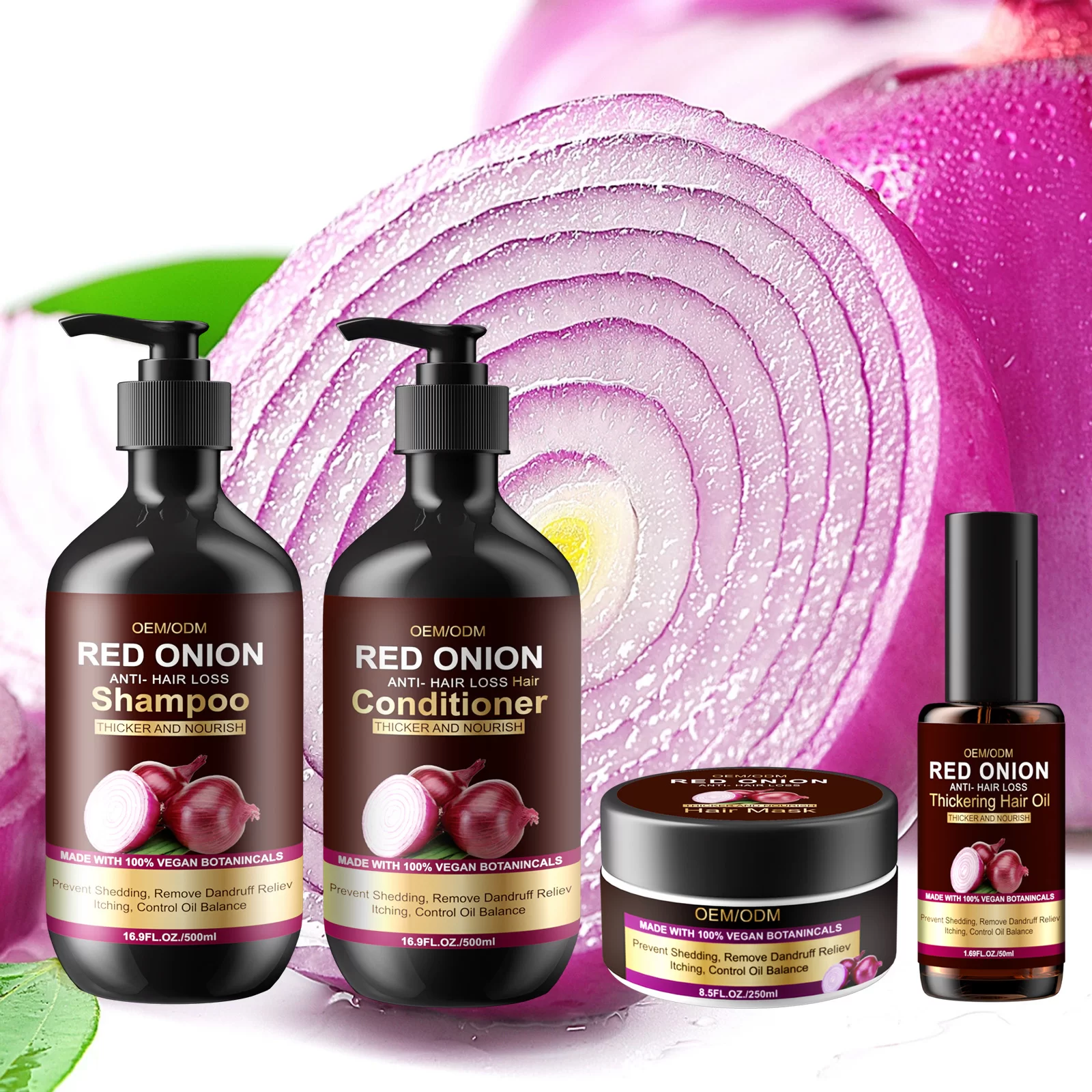
Selecting travel-ready toiletries requires prioritizing products with high concentrations and durable, spill-proof packaging that withstands variable cabin pressure at 35,000 feet. Optimal kits utilize TSA-compliant containers under 100ml, with 88% of frequent flyers reporting that solid-state grooming products reduce security screening times by approximately 40 seconds per item.
Modern air travel exposes skin to humidity levels as low as 10-20% for flights exceeding five hours, necessitating products engineered for rapid barrier repair. Professional-grade travel minis provide the necessary active ingredients to counteract this dehydration, moving beyond basic cleaning to active dermatological maintenance.
Effective kits integrate multi-functional items such as high-performance Hair Shampoo that doubles as a body cleanser, reducing total liquid volume by 35% for a standard two-week trip. Research conducted by travel industry labs in 2025 demonstrates that travelers carrying under 400ml of total liquids report a 22% increase in bag organization efficiency during international transit.
High-density formulations allow users to carry 60% less physical weight while maintaining a full grooming routine, a shift documented in luggage weight analysis studies conducted across 1,200 airline passengers in 2024.
Solid bars present an alternative that bypasses liquid volume limits entirely, with brands like Ethique reporting that their concentrated bars contain 90% less water than traditional bottled counterparts. A single 60g shampoo bar typically equates to 500ml of standard liquid product, offering an 8:1 ratio of efficiency that is vital for long-term travelers.
| Product Type | Liquid Volume | Average Duration | Sustainability Rating |
| Concentrated Bar | 0 ml | 80+ uses | High |
| Travel Mini Liquid | 50-100 ml | 10-15 uses | Low |
| Multi-use Oil | 30 ml | 30+ uses | Medium |
|----------------------------------------------------------------------------------------------------------------------------------------------------------------------------------------|
| Maintaining specialized skincare routines requires products with high bioavailability that penetrate the epidermis despite cabin-induced dryness. Summer Fridays and similar brands utilize clinical-grade hyaluronic acid in 15ml vials, enabling a 15% increase in moisture retention over a 12-hour flight duration. |
Data from 2026 consumer usage surveys indicates that 64% of travelers now prioritize products with non-aerosol delivery systems to avoid pressure-related leakage. Aerosol cans are prohibited in many baggage classifications, making high-pressure pump sprays a more reliable option for maintaining a consistent grooming regimen across diverse climatic zones.
-
Silicone squeeze tubes with vacuum-seal technology prevent leakage under 10 psi of pressure variance.
-
Concentrated powders or dry serums eliminate moisture entirely until activated with water upon arrival.
-
Modular toiletry bags with transparent, TSA-standardized dimensions accelerate passage through security by 30%.
Travelers spending more than 150 days per year on the road often adopt a modular system where specific vials are refilled from larger home containers, reducing single-use plastic waste by 75% annually. This method relies on airless pump bottles, which are laboratory-tested to prevent oxidation of active serums by maintaining a sterile, light-shielded environment.
-
Airless pump containers ensure 98% product evacuation, preventing waste common in standard dip-tube bottles.
-
Magnetic or snap-fit modular systems allow for vertical stacking, saving 40% of interior bag space.
-
Opaque UV-resistant materials protect sensitive ingredients like Vitamin C from thermal degradation during transit.
When selecting items for a travel-optimized kit, performance metrics for active ingredients must be cross-referenced with travel environment requirements. Products labeled "triple-milled" or "cold-pressed" tend to hold structural integrity better in high-temperature transit scenarios, ensuring a 95% success rate against physical breakdown within a standard toiletry kit.
-
Select pH-balanced cleansers to mitigate irritation from hard water found in different geographic regions.
-
Prioritize non-comedogenic formulas that remain stable between 15 and 30 degrees Celsius.
-
Include moisture-locking barriers such as ceramide-rich creams to offset cabin air desiccation.
Research from 2026 indicates that travelers incorporating thermal-stable balms instead of standard creams reduce potential spill risks by 92% in checked luggage. The structural composition of these balms remains solid at standard room temperatures, removing the dependency on secondary sealing methods for liquid containment.
-
Balms function as cleansers, moisturizers, and cuticle protectors.
-
Single-ingredient anhydrous oils reduce chemical interaction risks during flight vibration.
-
Integrated SPF protection in balm formats streamlines morning routines to a single application step.
The integration of multi-purpose tools ensures that a carry-on remains within the 7kg weight limit common for international budget carriers. Carrying 3-in-1 products allows travelers to reduce the total number of containers by 50%, providing additional space for specialized items that cannot be easily sourced at the final destination.
-
Combined shampoo and conditioner bars occupy 80% less space than two separate full-size bottles.
-
Two-stage exfoliating cloths replace liquid scrubs, saving 150ml of liquid volume allowance.
-
Solid stick fragrances replace liquid sprays, avoiding all airport security restrictions.
Proper management of travel toiletries involves routine auditing of container seals and ingredient stability every 90 days. Professional travelers often track usage rates to identify which products need restocking before the next departure, ensuring that liquid capacities remain precisely within the 100ml regulations established by international aviation standards.
-
Track volume consumption per flight hour to predict supply depletion.
-
Label all unmarked decanted containers with purchase dates to ensure ingredient freshness.
-
Use temperature-insulated pouches for active skincare products if the journey involves extreme climate transitions.
Efficient kits reflect a balance between utility and physical space, with the best setups using approximately 5% of a standard 40-liter carry-on bag's capacity. Minimizing the weight of these kits by even 200 grams can contribute to a significant reduction in overall travel fatigue when navigating large airport terminals.